When disaster strikes on a large scale, the impact can be overwhelming. Businesses, communities, and critical infrastructure can be left in disarray, facing extensive damage that disrupts operations and daily life. This is where the term complex major loss comes into play.
At Steamatic Global Recovery (SGR), we specialise in guiding organisations through catastrophic events by delivering structured, IICRC-certified, and compassionate disaster recovery services across multiple sites and vast geographical areas.
What is Complex Major Loss?
A complex major loss refers to property damage that is extensive, multi-layered, and requires coordinated recovery strategies. Unlike isolated incidents, major loss events often:
Affect multiple sites or facilities simultaneously
Spread across vast geographical regions, such as multiple towns, states, or countries
Require multi-disciplinary teams working in tandem to ensure continuity of service
Examples include:
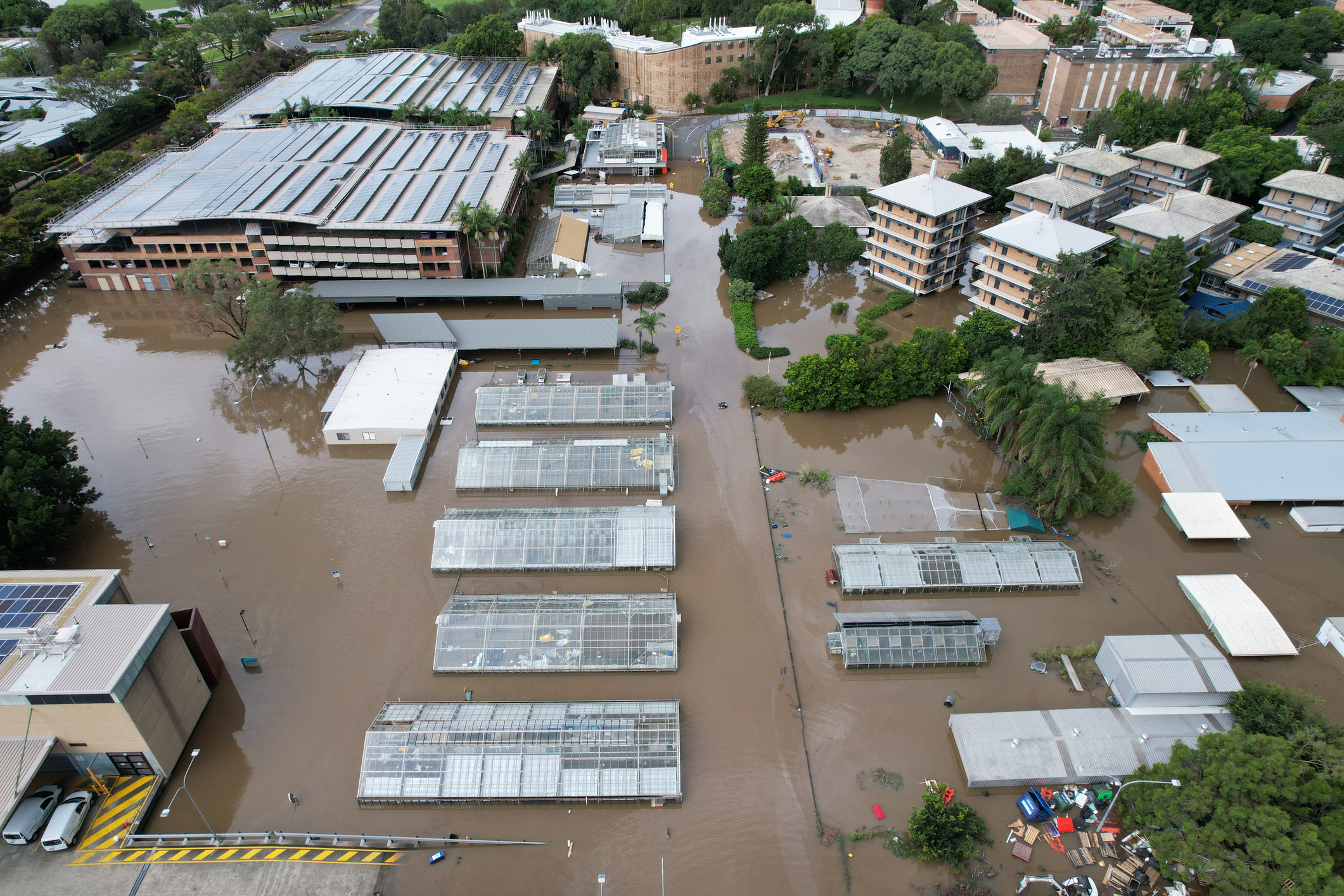
Floods, cyclones, and large-scale storm damage impacting several communities
Fires affecting multiple buildings or industrial complexes
Widespread contamination from mould, smoke, or hazardous materials
The Institute of Inspection, Cleaning and Restoration Certification (IICRC) defines restoration as a process that requires skilled professionals trained in safety, containment, and proper procedures to stabilise environments and prevent further deterioration.
How Our Teams Work After a Complex Major Loss
Every complex major loss is unique, but our approach is guided by IICRC best practice and decades of hands-on experience. Steamatic Global Recovery deploys multi-disciplinary teams across multiple sites, ensuring consistent service delivery even when damage spans vast areas.
1. Rapid Deployment and Assessment
Our strategically positioned teams enable rapid mobilisation across regions. Certified project managers conduct comprehensive damage assessments at each affected site, establishing a coordinated recovery strategy tailored to the scale and complexity of the loss.
2. Make Safe
Safety is the priority in any complex major loss. The make-safe phase involves immediate actions to stabilise the environment and prevent further damage. Our teams:
Secure the site to protect occupants, workers, and the public
Isolate hazards such as electrical, chemical, or structural risks
Implement containment measures
Rapidly remove water, debris, or compromised materials to reduce microbial growth and structural deterioration
The make-safe process is designed to be quick, safe, and effective, creating a controlled environment for the full restoration phase to begin.
3. Restoration and Recovery Planning
Our specialists develop tailored plans addressing each element of the loss:
Structural drying and large-scale dehumidification across commercial or industrial facilities
Decontamination of hazardous materials
Fire and smoke damage cleaning at multi-building sites
Mould remediation compliant with IICRC S520 standards
Contents restoration, including critical equipment preservation
Environmental testing and clearance procedures
4. Collaboration and Communication
Recovery from a complex major loss requires alignment with insurers, adjusters, engineers, and business owners. Steamatic teams are trained to coordinate across multiple stakeholders and sites, ensuring transparency, efficiency, and safety at every stage.
Why Restoration is the Vital First Step
Restoration is more than repair; it ensures recovery can begin safely and effectively.
Immediate restoration:
Prevents further structural deterioration across all affected sites
Reduces long-term health risks from contaminants
Preserves assets and machinery vital to business continuity
Shortens business interruption and downtime
Creates a safe foundation for rebuilding or reconstruction
Without professional restoration, damage can escalate rapidly, particularly across multiple locations, leading to higher costs, prolonged closure, and greater disruption to communities and operations.
Q&A: Complex Major Loss Restoration
Q: What makes a major loss “complex”?
A major loss becomes complex when it involves multiple sites, widespread geographical coverage, specialist technical equipment, or several types of damage requiring expert coordination and large-scale response.
Q: Why use an IICRC-certified restoration team?
IICRC-certified professionals follow globally recognised standards, ensuring restoration is safe, effective, and compliant with industry best practice.
Q: How quickly can Steamatic Global Recovery respond?
With strategically located teams and resources, we mobilise rapidly across regions, providing immediate stabilisation and structured recovery planning, even for multi-site events.
Q: Why is restoration the first step, not reconstruction?
Restoration addresses urgent risks such as water, fire, smoke, and microbial damage. Without restoration, reconstruction is unsafe and costs can increase significantly if these issues are not addressed at the outset.
Q: Can Steamatic manage international complex major loss projects?
Yes. Steamatic Global Recovery is designed for scale, operating across borders with the expertise, equipment, and partnerships to handle large, multi-site, and geographically diverse incidents worldwide.